
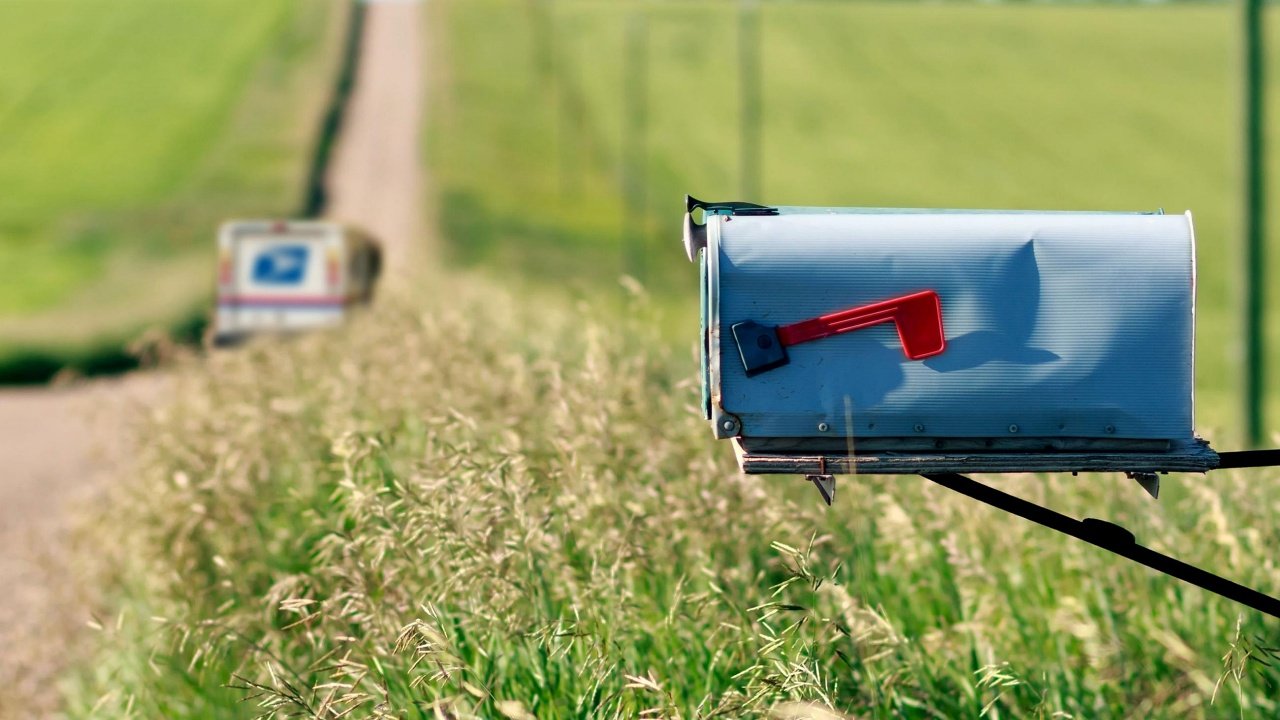
The Postal Service’s 250 Years of Impact in Rural America
While postal operators in other nations often measure their public benefit to guide policy, U.S. discussions remain focused on finances. Nearly two-thirds of rural post offices do not generate enough revenue to cover their operating expenses, compared to just seven percent of urban facilities. However, understanding the agency only through its balance sheet risks overlooking the non-financial public service benefits that USPS delivers across rural America. Systematically accounting for non-financial contributions — such as pharmacy delivery volumes, small business package trends, and community access — provides policymakers with the broader context needed to protect rural service while navigating long-term sustainability.
Local post offices function as a community hub where neighbors connect and local information spreads. Over 83 percent of rural consumers view the post office as an important community asset, and more than half know their postmaster, clerk, or carrier by name. For unincorporated towns — which lack a local city government — the post office may be the only building displaying the town’s name.
In the marketplace, USPS guarantees price parity and nationwide connectivity that private logistics companies cannot replicate. With over 70 percent of rural post offices lacking a private carrier alternative within five miles, the postal network acts as shared infrastructure that enables small rural businesses to participate in e-commerce.
The network is equally important for health care access. Over 60 percent of rural post offices have no retail pharmacy within 10 miles. Consequently, rural residents rely on USPS for a share of the 1.2 billion prescription drug shipments handled nationwide each year, including 84 percent of all Department of Veterans Affairs mail-order medications.
Finally, postal infrastructure supports democratic participation by reducing geographic barriers for rural voters. With half of all rural county polling precincts serving territories larger than 62 square miles, vote by mail eliminates long travel distances for seniors, residents with disabilities, and voters without transportation.
If you choose to leave in the woods?
You know your not going to have mail??
You have to drive for a pharmacy?
To get to a store.
That’s the price.
USPS needs to adapt and let these people
deal with it.
It’s trump country so who cares???